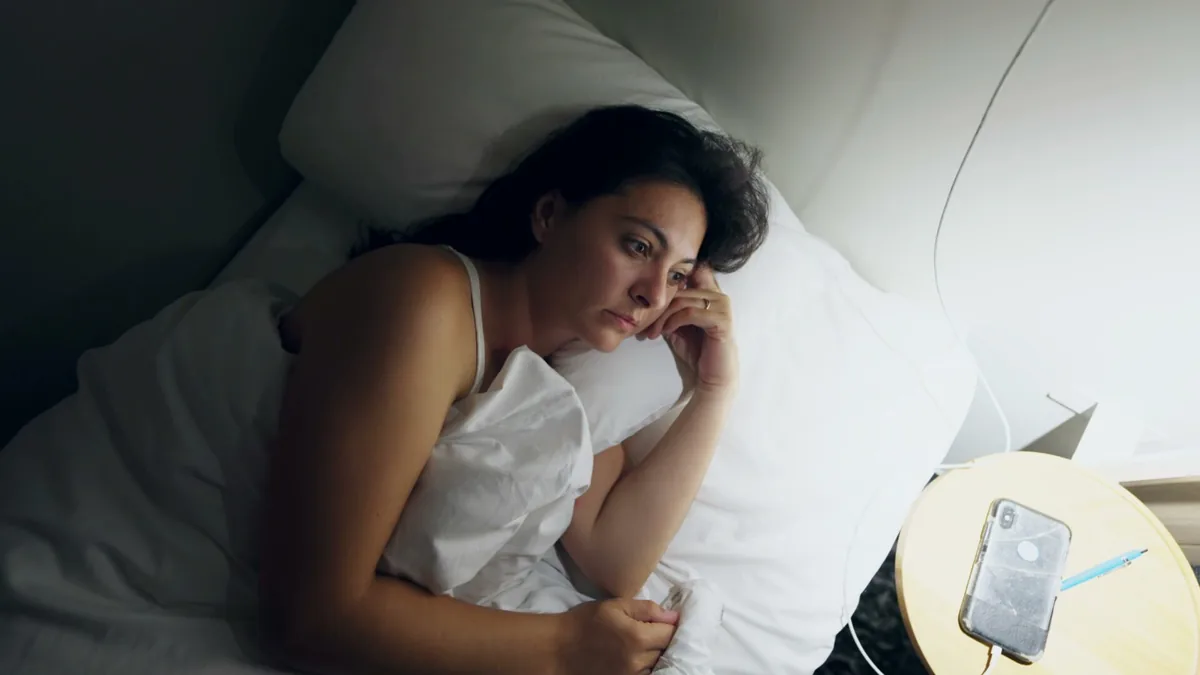
Dysthymia, also commonly known as dysthymic disorder or persistent depressive disorder, is a type of chronic depression in which someone experiences symptoms for up to two years or more.
Dysthymia symptoms are similar to other types of depression but are often experienced at a lower level for a more extended period and can usually be treated through therapy and medication[1][2].

Key takeaways
- Persistent depressive disorder involves long-lasting depressive symptoms that can disrupt everyday life and relationships.
- Diagnosis considers symptom severity, duration, medical history, and other possible causes.
- Psychotherapy, antidepressants, and ongoing support can help manage symptoms.
What is dysthymia?
Dysthymia is a persistent, often low-level, mood disorder. It is a form of depression, so it is the combination of depressive symptoms with the time a person experiences them for that can lead to a diagnosis of dysthymia.
Dysthymia is a relatively new term for this combination of ongoing symptoms, so your doctor might be more familiar with the phrase “persistent depressive disorder.” For a long time, dysthymia was misunderstood as a personality disorder, but recent research has improved how it is interpreted and led to this term coming into use[3].
Subject matter expert

Personality disorders, anxiety, and depression
View profileSymptoms of dysthymia
Dysthymia symptoms, or depressive disorder symptoms, are experienced in a range of ways by different people but can include any combination of the following:
- Depressed mood, feeling sad or down
- Tiredness or low energy levels, to the extent it makes it hard to do things
- Poor self-esteem or feeling negative about yourself
- Struggling to concentrate or make decisions that you wouldn’t usually find hard
- Feeling hopeless or pessimistic about the future
- Eating too much or too little
- Difficulty sleeping, either sleeping too long or too little
- Losing interest in the things you usually enjoy
- Suicidal thoughts and feelings
Persistent depressive symptoms can interfere with everyday life even when they are less intense than a major depressive episode. Seek assessment if symptoms continue or affect your functioning[4][5][6].
Causes of dysthymia
The exact causes of dysthymic disorder are unknown, but a combination of risk factors can mean you are more likely to experience it.
Persistent depressive disorder is a form of depression with symptoms lasting at least two years. As with depression more broadly, genetic, biological, environmental, and psychological factors may contribute; family history alone does not establish a diagnosis[6].
Depression affects people of all sexes and genders. Symptoms can differ between individuals, and anyone with persistent difficulties deserves assessment and support[6].
No research indicates you are more likely to develop dysthymia at any particular age. However, most mental disorders start before age 25 (Salmo et al, 2021), and some studies suggest that certain types of symptom management are more effective for different age groups[1].
Significant changes in life, stressful events or experiences of trauma can all trigger persistent depressive disorder.
People with physical health problems, like cancer or Parkinson’s disease, are more likely to develop clinical depression, including dysthymia, and sometimes medication for these issues causes depression as a side effect[2].
Diagnosing dysthymia
The first thing a doctor or mental health professional will do to determine whether you are experiencing dysthymia is to ask about your symptoms, how severe they are, how they impact your quality of life, and how long you have had them.
They might also ask you about any life events or physical health problems triggering your symptoms, so be ready to talk as openly as you can to find the proper medical treatment.
Some people find it helpful to take a supportive person to their appointment or let someone close to them know they are seeking a diagnosis so they can talk to them about it afterward.
Sometimes doctors will also ask to examine your body or carry out tests, like a blood test or urine test, to check for any accompanying physical health problems that might trigger your symptoms or make them more severe[9][10].
Suppose you have been experiencing depression symptoms over a long period, typically two years or more, to the degree that they impact your daily life. In that case, you might qualify for a diagnosis of dysthymia.
Prevention of dysthymia
There is no way prevent dysthymic disorder completely, but the earlier you seek help for your symptoms, the more likely you are to be able to stop them from becoming severe and manage them well.
Once you have worked out a treatment plan with your doctor, it is vital to stick to it for the time you have agreed to try it before reviewing it again. Some people find it easier to commit to a plan when they have help through a peer support network or group where they can talk to others going through similar things.
As far as possible, try to manage the stresses in your life and limit anything you know can trigger your persistent depressive disorder symptoms.
Treatment for dysthymia
The earlier you start treatment for dysthymia, the more effective it is. Different treatment works best for different people, but most people with dysthymia find talking therapy, medication, or a combination of the two, works well for managing their symptoms.
Therapy
There are lots of different types of talking therapy, which is sometimes called psychotherapy, so it is essential to take time to find the one that works for you and a therapist who feels supportive.
A typical talking therapy prescribed to people with dysthymia is Cognitive Behavioral Therapy (CBT), which addresses thought patterns and behaviors. Talk therapy can effectively manage symptoms even after a few weeks if you attend sessions consistently.
Medication
Antidepressants, including SSRIs, are among the medicines used to treat depression. Your prescriber can help select an option, review benefits and side effects, and adjust the plan if needed. Discuss concerns with them and do not stop medication abruptly[4][11].
Self-care for dysthymia
You can do many things to look after yourself if you have dysthymia, which will help to manage your symptoms.
The first is to stick to your treatment plan as closely as possible. Some people find that choosing a close friend or family member to share their plan with, who will regularly check in on how they are getting on with it, can help with this.
Other things that can make a big difference to how you feel are following a healthy, balanced diet and regular exercise. While both things can feel daunting, starting with small steps, for example, incorporating more fruit and vegetables alongside the stuff you usually eat, or going out for a short walk regularly, are an excellent way to begin[13][14].
Getting enough sleep impacts dysthymia symptoms, so going to bed and getting up at a similar time each day can help manage them. Getting outside can also be beneficial, but if that feels too difficult, some people find that starting with placing plants around their home gives them a sense of being connected with nature[4].
Try to reconnect with activities you normally enjoy, and maintain contact with supportive people. These steps may help alongside treatment, even if motivation and enjoyment return gradually[6].
Most importantly, find someone you trust who you can talk to about what you’re going through. This person might be a friend, a therapist, or someone you meet through a peer support network.
Helping someone with dysthymia
If you are supporting someone living with persistent depressive disorder, one of the most helpful things you can do is to ask how they are feeling and listen to them if they decide to share with you. Symptoms often worsen when people don't have someone to talk to about them.
If you can offer practical support, ask the person what is most helpful for them. For example, they might want assistance with their treatment plan, ideas for healthier meal options, a workout buddy, or help with grocery shopping. Again, it is vital to be led by what the person needs, rather than pushing help onto them, which might cause them to withdraw.
Taking time to rest and care for your own health can help you support someone experiencing dysthymia[18].
Frequently asked questions about dysthymia
How common is dysthymia?
NIMH reports that, in the 2001–2003 National Comorbidity Survey Replication, an estimated 1.5% of U.S. adults experienced persistent depressive disorder in the previous year and 2.5% over their lifetime. These are historical estimates, not a 2017 survey[2].
What are the possible complications of dysthymia?
A key complication for people with dysthymia is that they can experience symptoms of depression for a long time, sometimes over many years. This can impact their relationships and ability to work, and they might resort to unhealthy or unsafe ways to cope, like self-medicating.
Persistent depressive disorder can be long-lasting. Treatment can reduce symptoms and improve functioning; ongoing follow-up helps people manage their condition[12].
Older people with persistent depressive disorder might find it harder to look after themselves and manage their mental health problems, so they often need more support.
It is also more complicated to manage dysthymia alongside another medical condition, especially if you are taking medication to manage both. Again, your doctor should advise you on how best to do this.
Sometimes, people with dysthymia self-harm and experience suicidal thoughts, either directly because of their psychiatric disorder or as a side effect of their medication. If you are self-harming or having suicidal thoughts, you should seek help immediately. In addition, if you or someone you know has plans to act on suicidal thoughts, call 911.
Dysthymia vs Major Depression – What is the difference?
Dysthymia is less severe than major depression and is a chronic mental health condition, which means symptoms are experienced over a long period – typically two years or more. In contrast, major depression usually lasts for several weeks and is so severe it impacts the person’s ability to live their life, including sleeping, eating, and working.
However, the difference between dysthymia and major depression can be hard to define because dysthymia can start with an episode of major depression that decreases and increases in severity without the person ever returning to the level of well-being they experienced before the bout.
Even if someone’s dysthymia doesn’t begin with major depression, they will likely experience a depressive episode at some point[12].