Summary

A young woman describes being housebound, emotionally numb, and isolated despite months of therapy. She wants to build a more meaningful life after experiences of abuse but does not know where to begin.
The response suggests considering therapy with a practical behavioral component, such as Cognitive behavioral therapy (CBT) or Dialectical behavior therapy (DBT), together with support that helps the reader gradually leave home and reconnect with people.
It notes that medication might also be considered, but that the decision belongs to the reader and their treating professionals rather than being determined from the letter alone.
Question
Reader · Identity withheldI’m a 23-year-old woman who has been housebound since May 2011.
I’ve been seeing a therapist since September, but I haven’t noticed any improvement yet. I’m not currently on any medication.
Lately, I feel numb and disconnected from my emotions. I am unsure of what I want or where to go in life.
I struggle with codependency and have experienced physical, sexual, and emotional abuse in the past.
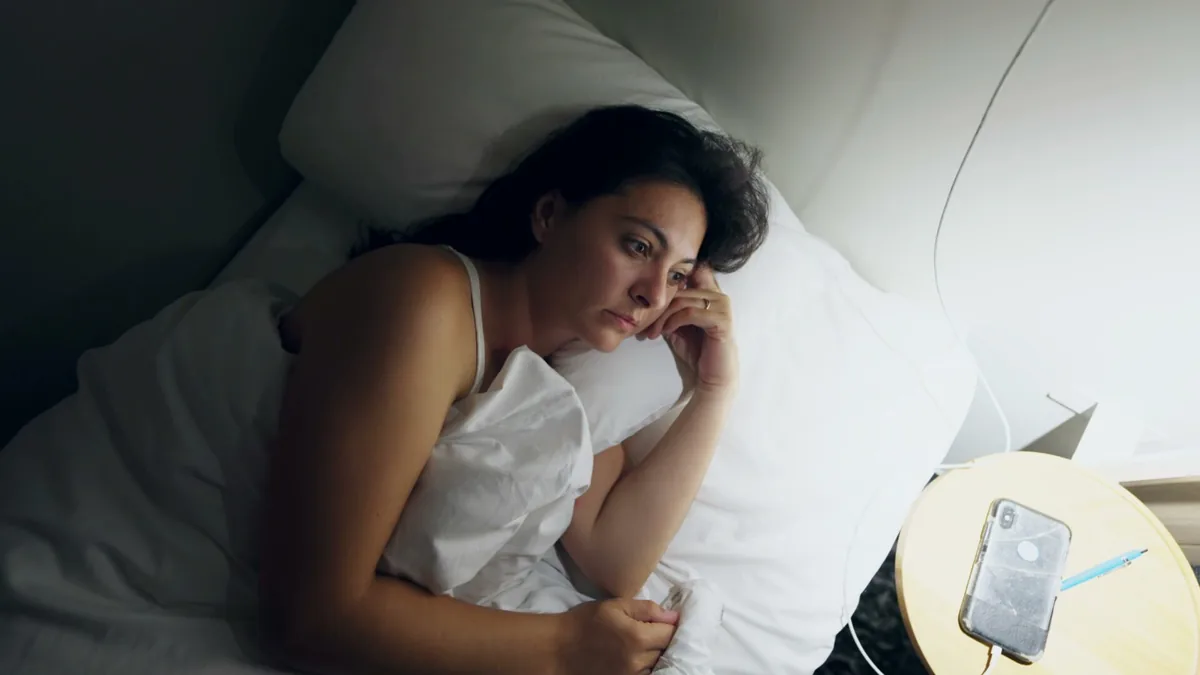
I live alone and often spend up to 14 hours a day watching TV.
I really want to build a meaningful life, but I don’t know where to start or what steps to take. Please, I need help.

Answer
Allan Schwartz, Ph.D.In my experience certain types of behavioral disorders require are more directly involved behavioral intervention than “talking therapy” offers. Essentially, this is the reason for such treatments as Cognitive Behavioral Therapy (CBT) as well as Dialectical Behavioral Therapy (DBT). Note the emphasis on the term “Behavioral.”
Therefore, I want to suggest a type of therapy in which the therapist goes to your home,(or sends a paraprofessional) and helps you leave the house and begin to interact with people. This is done not instead in conjunction with CBT or DBT.
In fact, this is the type of intervention that is done with those who suffer from the types of phobias that keep them hiding at home for fear of having panic attacks.
The benefit for you of DBT is that it offers a way for you to reduce the tensions and emotions that interfere with your life and thinking. I believe both approaches are best for you. It is also possible that you would benefit from medication, but only your treatment specialists working with you could decide that along with you.
So, to sum up, you will begin to make real progress when you are helped to leave the house but you will need help for that.
Best of luck.
Subject matter expert

Personality disorders, anxiety, and depression