Mental Health Retreats
 Carlos Protzel, Psy.D.
– Written by
Carlos Protzel, Psy.D.
– Written by
 Jesse Hanson, Ph.D.
and
Jesse Hanson, Ph.D.
and
 Linda Armstrong
– Updated on July 26, 2026
Linda Armstrong
– Updated on July 26, 2026
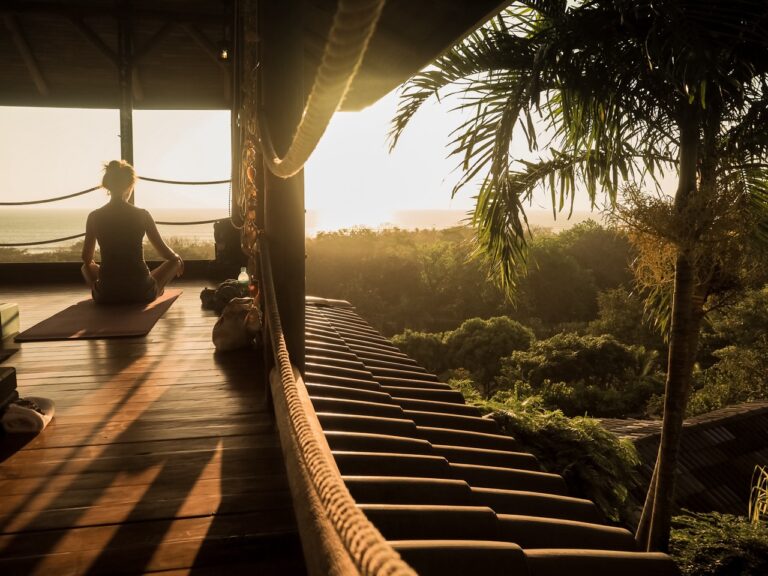
Prioritizing mental health is an essential act of self-care in a world that rarely slows down. When the weight of daily responsibilities becomes overwhelming, stepping away offers a necessary breath of fresh air.
This guide explores the transformative power of mental health retreats, providing a detailed look at what these programs offer and what participants can expect if they exit the daily grind to prioritize their well-being.
Key Takeaways
- Mental health retreats provide a dedicated space for healing. They combine therapeutic support, mindfulness, and restorative experiences to promote emotional well-being.
- Retreats vary in focus and intensity. Choosing a program that aligns with personal goals and clinical needs is essential.
- Nature, mindfulness, and immersive experiences can improve mental health. Research suggests these approaches help reduce stress, improve resilience, and support emotional balance.
- Retreats complement, but do not replace, clinical care. People experiencing severe or persistent mental health symptoms should seek appropriate professional treatment.
What is a Mental Health Retreat?
A mental health retreat is a specialized, immersive program to help people navigate emotional or psychological challenges within a supportive and tranquil environment. While some retreats target specific mental health concerns, others take a broader approach to emotional wellness, supporting those dealing with burnout or major life transitions.
Beyond typical travel experiences, mental health retreats provide a unique opportunity to step out of a survival mindset and into a space of reflection and personal growth.
The growing demand for these types of experiences reflects a larger mental health landscape. According to mental health stats from the National Alliance on Mental Illness, more than 1 in 5 U.S. adults experience mental illness each year [1]. These figures highlight a widespread necessity for accessible, diverse forms of support that go beyond the traditional office-based therapy model.
However, it’s important to note where retreats fit within the broader spectrum of care. Specifically, retreats aren’t a replacement for higher levels of care, such as intensive outpatient programs (IOPs), partial hospitalization programs (PHPs), ongoing therapy, and traditional inpatient care.
In fact, clinical tracks are vital for acute mental health stabilization and include a higher intensity of medical supervision. In comparison, retreats generally prioritize a restorative blend of therapeutic intervention and wellness in a less clinical, more scenic setting.
Purpose of Mental Health Retreats
The purpose of a mental health retreat extends beyond rest and relaxation. While it may share some surface similarities with vacations or general wellness getaways, the primary focus remains on growth and emotional healing.
Furthermore, unlike spa or fitness retreats, which typically center on physical rejuvenation or lifestyle habits, mental health retreats are intentionally designed to support psychological well-being through structured experiences. Participants are not simply taking time off; they are engaging in guided work that addresses underlying emotional challenges and behavioral patterns.
This therapeutic emphasis also distinguishes retreats from traditional outpatient therapy. Weekly sessions often unfold gradually, shaped by the constraints of daily schedules and ongoing responsibilities.
In contrast, a retreat creates an immersive environment where participants can engage more deeply and consistently over several days or weeks. This concentrated approach creates the potential for greater continuity in care, more immediate insights, and the opportunity to practice new coping strategies in real time.
Common Features of Mental Health Retreats
While each mental health retreat offers a unique experience, most share several of the following core features, which support emotional healing:
- Meditation and Mindfulness Sessions
- Nutritional Integration
- Digital Detox or Reduced Technology Use
- Psychoeducation Workshops
- Structured Daily Activities
- Outdoor and Nature Activities
- Counseling or Therapy
- Holistic Activities (Yoga, Art Therapy, Journaling)
- Aftercare Planning
Types of Mental Health Retreats
Mental health retreats come in many forms, each offering distinct approaches and benefits depending on a person’s goals and challenges. Unfortunately, no universal system for categorizing these programs exists, and as such, offerings vary widely in structure, intensity, and therapeutic focus.
Some emphasize relaxation and mindfulness, while others provide more clinically oriented support for specific mental health concerns. The following categories serve as a general guide to help frame the landscape and support more informed exploration.
Wellness Retreats (Relaxation & Mindfulness)
Wellness retreats focus primarily on relaxation, mindfulness, and self-care rather than clinical treatment for specific mental health conditions. These programs are ideal for those experiencing general stress, burnout, or emotional fatigue who want to reset and recharge in a peaceful environment.
While wellness retreats may or may not include licensed therapists or formal therapy sessions, they often feature experienced instructors and wellness coaches who guide participants through practices that calm the nervous system and encourage self-reflection.
Common activities include yoga, meditation, breathwork, and nutrition workshops designed to restore balance and promote overall well-being. For many attendees, this type of retreat serves as a preventive measure. It helps people prioritize mental and emotional health before challenges escalate into more serious concerns.
Therapy-Focused Retreats (Counseling, Trauma Recovery, Etc.)
Therapy-focused retreats target those seeking professional clinical support for specific mental health challenges such as anxiety, depression, stress, or trauma. Unlike wellness retreats that emphasize relaxation and general self-care, these programs place evidence-based therapeutic interventions at the center of the experience.
Participants typically engage in structured sessions use modalities such as cognitive behavioral therapy (CBT), dialectical behavior therapy (DBT), eye movement desensitization and reprocessing (EMDR), and more. Group therapy is also a common component, offering participants the chance to connect with others facing similar struggles while benefiting from shared insight and peer support.
These retreats are ideal for those with diagnosed or suspected mental health disorders who feel that traditional weekly therapy has not provided sufficient progress, or for those seeking a highly focused therapeutic experience. The immersive nature of a therapy-focused retreat allows for concentrated, intensive work that can lead to deeper breakthroughs and more rapid healing.
Specialized Retreats (Specific Disorders or Activities)
Some retreats cater to specific mental health conditions or center their programming around particular therapeutic activities. For example, retreats designed for those with PTSD, eating disorders, or grief may offer highly tailored interventions led by specialists in those areas.
Activity-based retreats take a different approach by using specific experiences as the primary vehicle for healing. For example, hiking retreats, eco-therapy programs, and forest bathing experiences leverage the mental health benefits of nature immersion. Equine therapy retreats offer another specialized option, using interactions with horses to help participants build emotional awareness, develop trust, and practice nonverbal communication.

Benefits of Mental Health Retreats
Mental health retreats don’t just sound like a good idea. Research backs up their benefits. For example, one observational study published in the Journal of Alternative and Complementary Medicine found that a one-week residential retreat experience led to substantial improvements across multiple areas of health and well-being, with many of those gains maintained at a six-week follow-up [2].
Other research highlights the biological mechanisms behind these benefits. For instance, a 2022 study published in Psychoneuroendocrinology examined the effects of three days of intensive mindfulness practice on biological markers associated with stress and inflammation.
Results showed a significant reduction in participants’ perceived anxiety and stress levels along with a more positive balance of key mediators of inflammatory states. In effect, the data showed clear evidence that mindfulness retreats may be effective in improving both mental health and physical health [3].
Beyond these broader outcomes, specific elements commonly found in mental health retreats (such as time spent in nature, travel, and meditation) offer their own distinct advantages. The following sections explore the research-backed benefits of each.
Nature-Related Benefits
Many mental health retreats are set in natural environments, and research suggests that time spent outdoors offers significant therapeutic value. According to an article in the American Journal of Lifestyle Medicine, the health benefits of spending time in nature span multiple body systems, including improved immune function, lower blood pressure and heart rate, better blood glucose control, and reduced cortisol levels [4].
Neurological and emotional benefits are just as impressive. Studies show improved cognitive performance, reduced symptoms of anxiety and depression, less sympathetic nervous system activity, and a greater overall sense of well-being [4].
Forest therapy, in particular, has gained recognition for its wide-ranging health effects. In Japan, specially trained therapists prescribe forest therapy for its cardiovascular, metabolic, immunological, neuropsychiatric, and analgesic benefits. Plus, the practice has been shown to increase mindfulness while reducing anxiety and negative emotions [5].
Travel-Related Benefits
The very concept of a “retreat” implies leaving one’s normal environment for a period of time. This act of traveling, whether across the globe or simply to a peaceful setting outside one’s daily environment, offers its own therapeutic advantages.
A physical separation from daily stressors (and often from digital overload) can create the mental space needed for deeper reflection and healing. What’s more, insights from the Journal of Travel Medicine indicate that travel offers psychological, sociocultural, and environmental benefits.
Granted, actually moving from one destination to another might temporarily heighten stress, stays away from home have been shown to reduce it, allowing travelers to detach from routine, enable personal growth, and build social connections [5].
Meditation and Mindfulness Benefits
Meditation and mindfulness practices are central components of most mental health retreats. According to insights in the Cureus Journal of Medical Science, these practices offer the following potential benefits [6]:
- Reductions in Anxiety, Depression, and Stress: The intensive nature of retreat settings facilitates emotional regulation, helping participants navigate challenges more effectively.
- Emotional Regulation: Cultivating mindfulness enables participants to manage difficult emotions and develop long-term resilience and stability.
- Physical and Metabolic Function: Advanced meditation programs have reported reductions in C-reactive protein (CRP) levels, improved lipid profiles, and modest reductions in body weight, supporting systemic inflammation control and healthy weight management.
- Reduction in Proinflammatory Cytokines: Studies suggest that meditation positively influences immune regulation and may mitigate the effects of chronic stress.
Notably, mindfulness gains account for up to 50% of the psychological improvements achieved through retreats, underscoring the significance of these practices in developing resilience and emotional stability [6].
What to Expect at a Mental Health Retreat
Every mental health retreat offers a unique experience shaped by its philosophy, location, and therapeutic approach. For example, some emphasize silent reflection and solitude, while others encourage group connection and active participation. Despite these differences, most retreats share certain structural elements.
The following guidelines offer insight into what attendees can generally expect when embarking on a retreat experience:
- Length of Stay: The duration of a retreat can vary widely, ranging from intensive day or weekend workshops to comprehensive programs that last seven to 10 days or even several weeks.
- Typical Daily Schedule: Days are usually highly structured, beginning with morning meditation or yoga followed by a balanced mix of individual therapy, group workshops, and dedicated time for personal reflection.
- Accommodations and Meals: Participants typically stay in peaceful, comfortable settings where they are provided with holistic, nutrition-focused meals designed to support physical health and mood stability.
- Therapists and Staff Credentials: Quality programs are often staffed by a multidisciplinary team of licensed psychologists, psychiatrists, and counselors, who are typically supported by wellness coaches and holistic practitioners.
- Privacy and Confidentiality: To maintain a safe and trusting environment, retreats implement strict confidentiality protocols and private settings that allow participants to share and heal without external interference.
How to Choose the Right Mental Health Retreat
Selecting a mental health retreat is a deeply personal decision that requires a careful balance between clinical needs and personal preferences. Because these programs vary so significantly in their focus and intensity, it is essential to conduct thorough research before committing to a stay.
When choosing a retreat, considerations include:
- Personal Needs and Program Focus: Reflect on personal mental health challenges, such as anxiety, depression, or trauma, to ensure the retreat’s primary focus aligns with personal healing goals.
- Therapeutic Approach: If appropriate, choose a retreat that utilizes evidence-based modalities, such as CBT, DBT, or trauma-informed care.
- Location and Setting: Consider which location (e.g., a remote nature-based environment versus a more accessible urban setting) will provide the greatest personal sense of safety and calm for recovery.
- Budget and Cost Considerations: Review the total cost of the program, including any travel expenses, and inquire about potential financial aid or whether any portion of the care might be covered by insurance.
- Duration and Intensity: Determine the amount of time available to dedicate to the experience, as programs range from day or weekend intensives to stays lasting 10 days or longer.
- Professional Support: Ensure the retreat is staffed by professionals that can address personal needs, whether that’s licensed psychiatrists and therapists or mental health coaches trained in a specific modality.
U.S. Mental Health Retreat Options
The United States hosts a wide range of mental health retreats. Many retreat settings blend breathtaking surroundings with programs that emphasize emotional healing, mindfulness, and therapeutic support.
To illustrate what’s available, here are a few U.S.-based mental health retreats with varied settings and areas of focus:
- Mental Health Hope (California):Mental Health Hope offers private, evidence-based retreats designed to help people recover from anxiety, depression, trauma, and burnout. The program combines clinical psychotherapy with holistic practices like yoga, meditation, and art therapy.
- Onsite (Montana, Colorado, Tennessee): Offering both group intensives and equine retreats, Onsite specializes in trauma and general life transformations that help participants pause, reflect, and reset.
- STAR Retreats (Arizona): STAR Retreats offers an immersive experience to address deep-seated emotional wounds and trauma. It combines personal counseling and group work with expressive arts and somatic healing.
- The Trails (Ohio):Featuring 20 acres of woodland and hiking trails, The Trails pairs intensive therapies with leisure activities for healing related to depression, anxiety, trauma, and more.
International Mental Health Retreat Options
Around the world, mental health retreats span a wide range of settings, from tropical coastlines to remote mountain landscapes. Many of these retreats combine immersive environments with programs focused on mindfulness, emotional well-being, and holistic restoration.
To offer a sense of the global landscape, here are several international mental health retreats with diverse settings and approaches:
Aro Ha Wellness Retreat (New Zealand): Nestled in the Southern Alps, Aro Ha offers structured wellness programs focused on mental clarity, stress reduction, and emotional resilience. Days are built around mindfulness, yoga, hiking, and plant-based nutrition, encouraging both physical and mental reset.
Suryalila Retreat Centre (Spain): Set in the Andalusian countryside, Suryalila hosts yoga and meditation retreats designed to ease anxiety and burnout. Programs combine breathwork, mindfulness, and community connection in a peaceful rural setting.
HOLOS (Costa Rica): Set within a 200-acre regenerative sanctuary in Costa Rica’s Diamante Valley, HOLOS offers immersive wellness retreats focused on personal and collective well-being. Surrounded by jungle and waterfalls, programs center on mindfulness, movement, meditation, and practices like sound healing and guided self-inquiry.
Five Elements Retreat (Bali, Indonesia): Located along the Ayung River, Fivelements blends Balinese healing traditions with modern wellness practices. Programs often include meditation, bodywork, plant-based cuisine, and rituals aimed at restoring emotional balance and inner calm.
When to Seek Higher Levels of Care
While a mental health retreat can be a powerful catalyst for change, a short-term program isn’t a substitute for clinical intervention. Serious mental health disorders, chronic substance misuse, and severe instability typically require ongoing, long-term treatment rather than a temporary getaway. A higher level of care, such as IOPs, PHPs, residential treatment, or even long-term therapy, offers the continuous medical and psychological monitoring necessary for safety and sustained recovery.
Participants or their loved ones should seek additional professional care if there are persistent or worsening symptoms such as extreme mood swings, inability to perform daily tasks, sudden withdrawal from social or occupational responsibilities, or a sense of hopelessness that does not improve. Chronic substance misuse, repeated relapses, or unsafe patterns of behavior also indicate the need for specialized, ongoing treatment.
Immediate emergency intervention is necessary if warning signs suggest imminent risk of harm. This includes expressing thoughts of self-harm or suicide, aggressive behavior toward others, severe psychosis, or uncontrollable substance-related behavior. In these situations, contacting 911 or local emergency services is critical to ensure safety and access to urgent care.
Making Time for Growth
Mental health retreats provide more than just a temporary escape from daily stress; they offer a structured environment to focus on emotional growth and self-care. Through a mix of therapy, mindfulness, nature, and holistic practices, participants gain tools to manage stress, process emotions, and build resilience that lasts beyond the retreat itself.
Taking the first step requires courage, but the rewards can be profound. For anyone feeling overwhelmed, stuck, or simply ready for a reset, a mental health retreat might be the catalyst for a new chapter.
References
- National Alliance on Mental Illness. (n.d.). Mental health by the numbers. National Alliance on Mental Illness. https://www.nami.org/mental-health-by-the-numbers.
Cohen M.M., Elliott F., Oates L., Schembri A., Mantri N. (2017). Do wellness tourists get well? An observational study of multiple dimensions of health and well-being after a week-long retreat. J Altern Complement Med. 2017;23(2):140-148. doi:10.1089/acm.2016.0268. https://pmc.ncbi.nlm.nih.gov/articles/PMC5312624/ - Gardi C., Fazia T., Stringa B., & Giommi, F. (2022). A short Mindfulness retreat can improve biological markers of stress and inflammation. Psychoneuroendocrinology, 135, 105579. https://www.sciencedirect.com/science/article/abs/pii/S0306453021004534?via%3Dihub.
- Sundermann M., Chielli D., Spell S. (2023). Nature As Medicine: The 7th (Unofficial) Pillar of Lifestyle Medicine. Am J Lifestyle Med. 2023;17(5):717-729. Published 2023 May 31. doi:10.1177/15598276231174863. https://pmc.ncbi.nlm.nih.gov/articles/PMC10498981.
- Flaherty G., Steffen R., Leder K. (2025). Towards travel therapy: addressing the health benefits of international travel, Journal of Travel Medicine, Volume 32, Issue 3, April 2025, taae091, https://doi.org/10.1093/jtm/taae091.
- Giridharan S. (2024). Residential Meditation Retreats: A Promise of Sustainable Well-Being?. Cureus. 2024;16(11):e73326. Published 2024 Nov 9. doi:10.7759/cureus.73326. https://pmc.ncbi.nlm.nih.gov/articles/PMC11626984.
Medical Content
The Clinical Affairs Team at MentalHealth.com is a dedicated group of medical professionals with diverse and extensive clinical experience. They actively contribute to the development of content, products, and services, and meticulously review all medical material before publication to ensure accuracy and alignment with current research and conversations in mental health. For more information, please visit the Editorial Policy.
About MentalHealth.com
MentalHealth.com helps people understand themselves, build healthier relationships, and access the right care. We bring together mental health education, diagnostics, and care management to support well-being throughout every phase of life.
Carlos Protzel, Psy.D., LCSW, is a PSYPACT-certified psychologist with 25+ years of experience. He specializes in integrative care using evidence-based and humanistic therapies.
Jesse Hanson, Ph.D., is a somatic psychologist with more than 20 years of experience in clinical psychology and neuropsychology.

Be the first to read new articles from Jesse Hanson, Ph.D.
Join MentalHealth.com for free to get updates


 Carlos Protzel, Psy.D.
– Written by
Jesse Hanson, Ph.D.
and
Linda Armstrong
– Updated on July 26, 2026
Carlos Protzel, Psy.D.
– Written by
Jesse Hanson, Ph.D.
and
Linda Armstrong
– Updated on July 26, 2026